Mercedes SBC Brake System: The Complete Guide to Service, Failure & Costs (W211, W220, SL R230)
The SBC electronic brake system on the W211 E-Class, W220 S-Class, and R230 SL was revolutionary — but it has a finite service life. Here is what every SBC-equipped Mercedes owner needs to know.
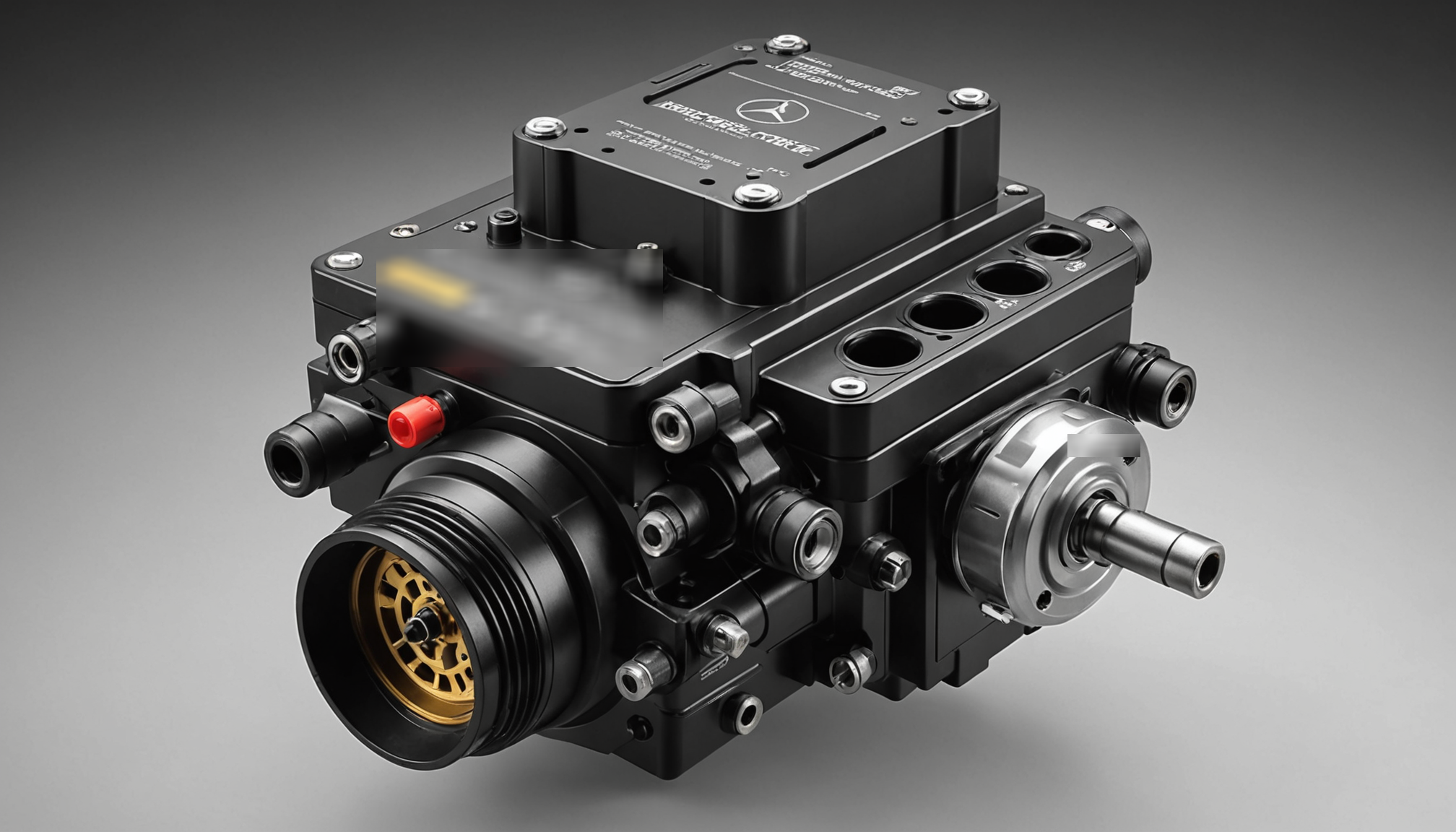
What is SBC?
SBC (Sensotronic Brake Control) is an electro-hydraulic brake system fitted to the W211 E-Class (2002–2006), W220 S-Class (2001–2005), and R230 SL (2001–2011). Unlike a conventional brake system where the pedal directly actuates the master cylinder, SBC uses an electronic pedal that sends a signal to a high-pressure hydraulic pump, which applies braking force to each wheel independently. It was groundbreaking technology — faster response than conventional brakes, individual wheel pressure control, and automatic brake disc drying in wet conditions. But it introduced a service counter and a finite pump life that every owner must manage.
2. The service counter
The SBC unit has an internal service counter that tracks the number of brake applications. When the counter reaches a predetermined threshold (typically corresponding to approximately 8–10 years of normal use), the dashboard displays "SBC — service brake — visit workshop." This does not necessarily mean the unit has failed — it means the counter has reached its service limit. The unit may continue to work for thousands more brake applications. However, the warning is an MOT fail and cannot be cleared without replacing or resetting the SBC unit. Some specialists can reset the counter if the unit passes a functional test; others recommend replacement. Mercedes offered an extended warranty on SBC units, but coverage has largely expired as the youngest SBC-equipped cars are now approaching 20 years old.
3. Replacement cost and options
A genuine Mercedes SBC unit costs £800–£1,200 for the part, plus 3–4 hours labour for fitting and bleeding. Total replacement: £1,200–£1,800. Reconditioned SBC units are available from specialists for £400–£700 with a warranty. Some specialists offer a counter reset service if the pump is still functioning within specification — this is the cheapest option at £150–£300 but may not be permanent if the pump is genuinely worn.
4. Brake bleeding: do not do it wrong
SBC-equipped cars must have their brakes bled using Xentry in a specific procedure (the "SBC bleed routine"). Attempting to bleed SBC brakes conventionally can introduce air into the pump and cause a complete loss of braking. Any garage working on an SBC Mercedes must know and follow this procedure. The brake fluid should still be changed every 2 years — the SBC bleed routine handles this correctly.
The SBC extended warranty: what it covers and how to claim
Mercedes offered an extended warranty on SBC hydraulic units — typically 25 years / unlimited mileage in the US market, but the UK coverage was more limited and varied by model. The warranty covers the SBC pump unit only, not associated components like the pressure reservoir or brake lines. If your car is still within the extended warranty period (check with a Mercedes dealer using your VIN), the SBC unit replacement is free. However, many UK-market W211 and W220 models are now outside even the extended coverage, and owners must pay for replacement themselves. The coverage period is model and VIN-specific — there is no single rule. If you are quoted for an SBC replacement, always ask your specialist to check your VIN against the Mercedes warranty database before authorising the repair. Some cars that appear to be outside the coverage period are actually covered.
SBC service mode: the brake bleeding procedure
Bleeding the brakes on an SBC-equipped Mercedes requires putting the SBC unit into "service mode" via Xentry. This depressurises the hydraulic accumulator and allows the calipers to be bled conventionally. Attempting to bleed SBC brakes without service mode can introduce air into the high-pressure side of the pump, causing a soft pedal — or worse, a complete loss of braking pressure. Any garage working on an SBC Mercedes must use this procedure. The brake fluid change interval is still every 2 years, and the SBC service mode handles the bleed correctly. The SBC system also self-tests when the driver's door is opened after unlocking — you will hear a brief whirring noise from under the bonnet. This is the pump priming the system and is normal. If the noise becomes prolonged, laboured, or continuous, the pump is struggling and the SBC counter may need resetting or the unit may need replacement.
The SBC counter reset: temporary fix or permanent solution?
The SBC service counter tracks the number of brake applications and triggers the "Service brake — visit workshop" warning when a predetermined threshold is reached. Some independent specialists can reset this counter using Xentry if the SBC pump passes a functional test (pump pressure, accumulator gas charge, valve response). The reset effectively zeroes the counter and allows the unit to continue operating. Whether this is a long-term solution depends on the pump's actual condition. A pump with 200,000 brake applications that is otherwise healthy will likely run for tens of thousands more after a reset. A pump that has reached the counter limit and is also displaying symptoms — slow priming, noisy operation, intermittent warnings — needs replacement regardless of the counter. The counter reset is a £150–£300 procedure that can extend the life of a healthy SBC unit. It is not a repair for a failing unit. A good specialist will assess the pump's condition before offering a reset, and will be honest if the unit actually needs replacement.