Mercedes E-Class Rear Air Strut Replacement: W211 vs W212, OEM vs Arnott, and What to Expect
The E-Class rear air struts are the most common Airmatic failure. Here is what the job involves, the difference between W211 and W212, and why Arnott struts are genuinely worth considering.
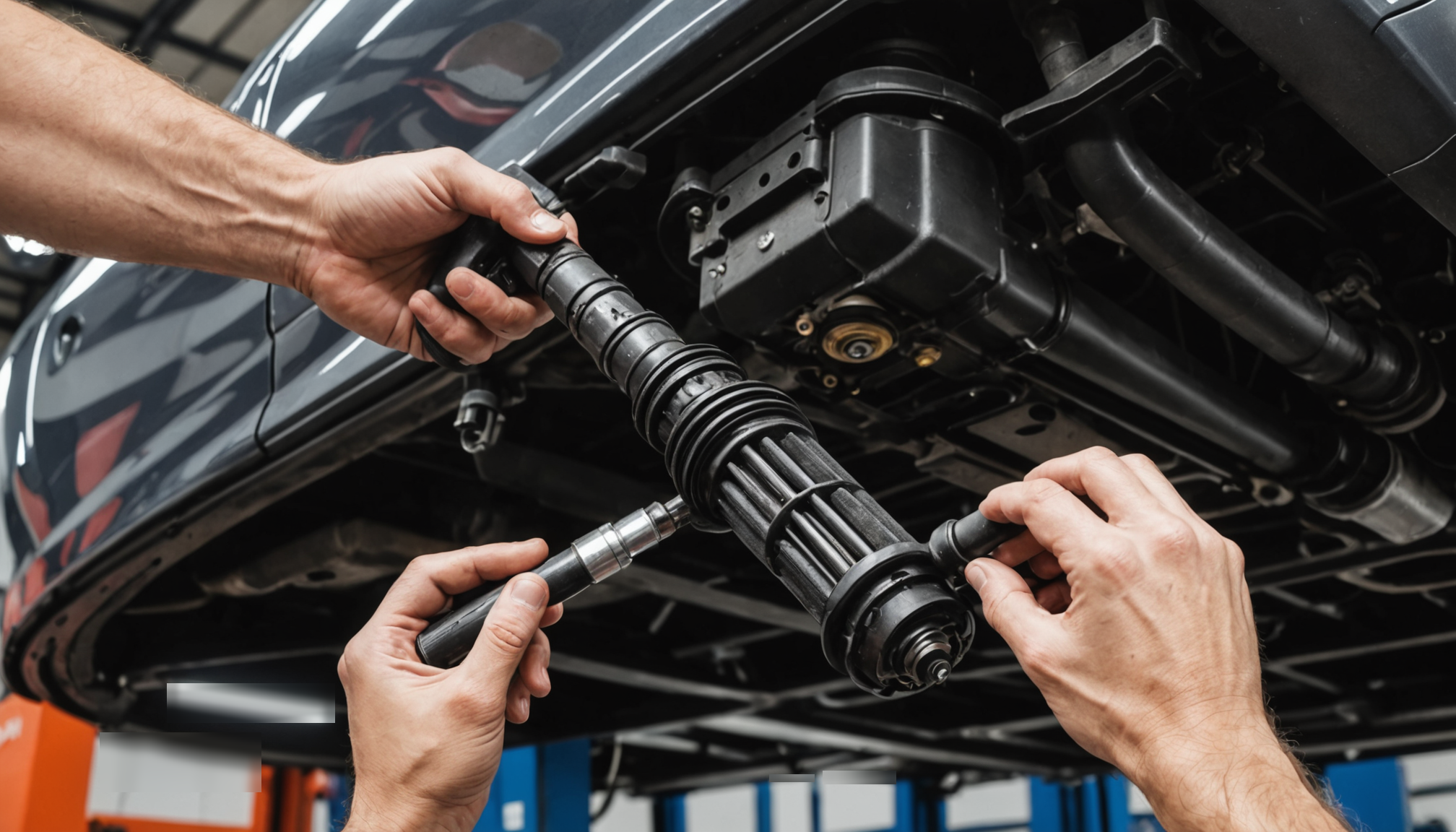
W211 vs W212: both fail, different costs
The W211 E-Class (2002–2009) and W212 E-Class (2009–2016) both use Airmatic rear struts, but they are different designs and not interchangeable. W211 rear struts typically cost £500–£700 fitted per side. W212 rear struts cost £550–£800 fitted per side. Arnott aftermarket struts (which we recommend) cost approximately 30% less than genuine Mercedes and carry a lifetime warranty covering the air bladder — the component that actually fails.
2. Symptoms and diagnosis
The classic symptom is the rear of the car sitting lower than normal after being parked overnight, then rising to normal height within 30–60 seconds of starting the engine. As the leak worsens, the car may not reach full ride height, and the compressor may run continuously. On Xentry, the air suspension control unit stores fault codes for "air spring — leak detected" or "compressor — excessive runtime." A soapy-water spray test on the strut bladder while the system is pressurised will reveal the leak as bubbles.
3. Replacement and calibration
Replacing a rear air strut takes 1–2 hours per side. After replacement, the ride height must be calibrated using Xentry. This involves measuring the actual ride height at each corner and entering the values into the suspension control unit so it knows the correct reference position. A garage that replaces the strut but skips the calibration will leave the car with incorrect ride height, which affects handling, headlamp aim, and tyre wear. Always confirm that calibration was performed.
After replacement: the ride height calibration
After fitting a new air strut, the ride height must be calibrated using Xentry. The calibration procedure involves measuring the actual ride height at each wheel (from the wheel centre to the wheel arch), entering those measurements into Xentry, and allowing the suspension control unit to adjust the air pressure to achieve the correct ride height. A garage that replaces the strut but skips the calibration will leave the car with incorrect ride height — typically the new strut sits slightly higher than the old one, causing the car to lean. Incorrect ride height affects headlamp aim (which is an MOT fail), tyre wear (the lean changes the camber), and handling (the car will pull slightly toward the lower side). The calibration takes 15 minutes and should always be included in the cost of the strut replacement. Always confirm calibration was performed — ask for the before-and-after height values.
W211 vs W212 rear struts: key differences
The W211 E-Class (2002–2009) and W212 E-Class (2009–2016) both use Airmatic rear air struts, but they are different designs and the parts are not interchangeable. W211 rear struts connect to the lower control arm with a different mounting arrangement and use a different air line fitting. The part numbers are different, and fitting the wrong strut will result in the air line not connecting or the strut not seating correctly. When ordering replacement struts, always provide your VIN — the correct strut depends on the specific model, year, and whether the car has standard Airmatic or the advanced Airmatic DC (dual control) system. Arnott produces struts for both the W211 and W212, and they are clearly labelled with the correct application. Do not rely on a generic parts catalogue — the Mercedes EPC (Electronic Parts Catalogue) tied to your VIN is the definitive source.
Both rear struts or just one? The honest advice
When one rear strut fails, the question is whether to replace only the failed strut or both rears simultaneously. The honest answer depends on mileage. If the car is under 80,000 miles and one strut fails prematurely (unusual but not impossible), replacing only the failed strut is reasonable — the other strut likely has significant remaining life. If the car is over 100,000 miles, both rear struts are likely approaching the end of their service life, and replacing both at once saves you the labour cost of doing the second strut separately (the labour to replace one strut is approximately 1–1.5 hours; replacing both at the same visit takes 2–2.5 hours — you save roughly an hour's labour). The parts cost for two struts is double, but the total cost of two separate jobs is £1,100–£1,600 versus £900–£1,400 for both at once. Over 100,000 miles, replacing both is the smarter long-term choice.