Mercedes AdBlue System: How It Works, What Fails, and How to Avoid the Dreaded Countdown
The AdBlue countdown warning is one of the most stressful experiences for a modern Mercedes diesel owner. Here is exactly what causes it, how the SCR system works, and what each repair costs.
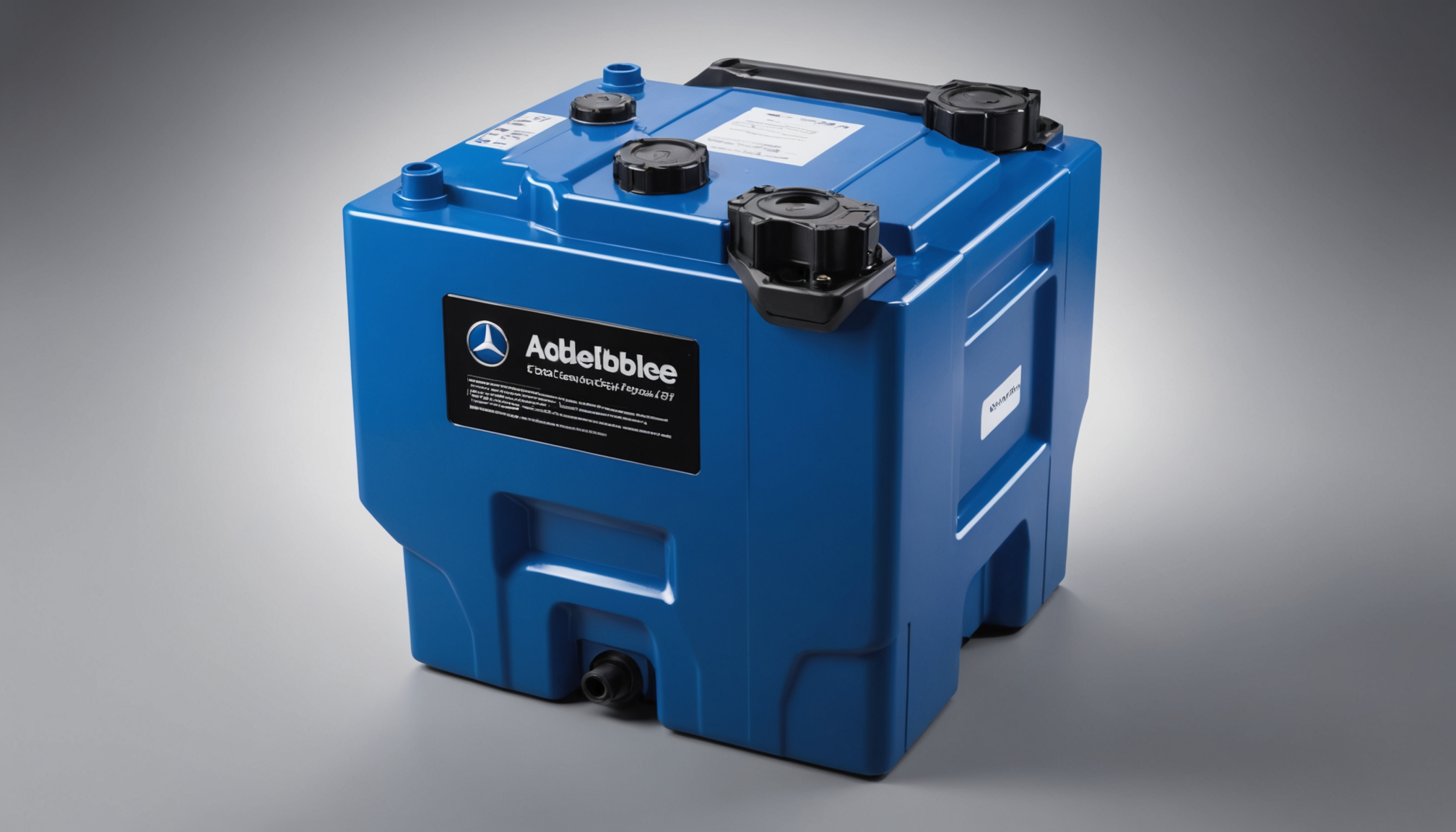
How AdBlue works
AdBlue is a 32.5% urea solution injected into the exhaust upstream of the SCR (Selective Catalytic Reduction) catalyst. It reacts with nitrogen oxides (NOx) to produce harmless nitrogen and water vapour. The system allows Mercedes diesel engines to meet Euro 6 emissions standards. The AdBlue tank holds 12–25 litres depending on model, and consumption is approximately 1–3% of diesel consumption — a tank lasts roughly 5,000–10,000 miles.
2. The countdown warning: what triggers it
The "AdBlue: starts not possible in X miles" countdown is triggered when the engine management system detects a fault in the SCR system — not simply when AdBlue is low. Common triggers include: AdBlue tank heater failure (the most common, particularly on GLC and C-Class), NOx sensor implausible signal, AdBlue injector crystallisation, blocked AdBlue lines, or using non-certified AdBlue. The countdown decrements with mileage. When it reaches zero, the car will not restart until the fault is cleared and the SCR system passes its self-test.
3. Component failures and costs
AdBlue tank heater (most common): the heater is integrated into the tank. Replacement: £800–£1,200 including coding. NOx sensor: £250–£400 each, requires coding. AdBlue injector: £200–£350, can often be cleaned rather than replaced. Blocked lines: can usually be flushed rather than replaced, £100–£200. Using ISO 22241 certified AdBlue from a reputable brand reduces but does not eliminate the risk of injector crystallisation. The AdBlue tank heater failure is fundamentally a component quality issue — it has no preventative maintenance.
4. What to do when the countdown appears
Do not ignore it hoping it will go away. Do not attempt to clear the fault code with a generic OBD2 scanner — the SCR system requires Xentry to reset properly and will simply trigger the countdown again if the underlying fault is not fixed. Book into a Mercedes specialist with Xentry as soon as possible. If the countdown is close to zero, limit your driving to essential journeys to preserve the remaining starts. Once repaired, the AdBlue system self-tests on the next drive cycle and the countdown clears.
AdBlue quality matters: what to buy and what to avoid
AdBlue is a 32.5% urea solution in deionised water, standardised under ISO 22241. All AdBlue meeting this standard is chemically identical — or at least, it should be. In practice, cheap unbranded AdBlue from non-specialist retailers can be contaminated with impurities or may have been stored incorrectly (AdBlue degrades in direct sunlight and at temperatures above 30°C). Contaminated AdBlue can crystallise in the injector and lines, accelerate NOx sensor degradation, and in extreme cases corrode the tank heater. We recommend: buy AdBlue from a fuel station forecourt (Shell, BP, Esso) or a reputable motor factor (Euro Car Parts, GSF). Avoid the cheapest option from an unknown source. Check the bottle for the ISO 22241 certification mark and a manufacturing date — AdBlue has a shelf life of approximately 12 months. Do not buy AdBlue that has been stored outdoors in direct sunlight.
What to do if the countdown reaches zero
If the AdBlue countdown reaches zero and the car refuses to start, do not attempt to bypass the system or clear the codes with a generic scanner. The SCR system requires a proper Xentry reset after the fault is repaired, and the car must complete a self-test drive cycle before the no-start condition is lifted. The process is: diagnose and repair the underlying fault (tank heater, NOx sensor, injector), reset the SCR system on Xentry, start the engine, and allow the SCR system to complete its self-test (typically 5–10 minutes of running). Only then will the no-start condition be cleared. A mobile mechanic without Xentry cannot do this — the car must be at a workshop with a genuine Xentry system. If the countdown is close to zero, limit your driving to essential journeys to preserve the remaining starts until you can get to a specialist.
The NOx sensor coding requirement
NOx sensors on Mercedes diesel engines are intelligent sensors that communicate with the engine ECU via CAN bus. They are not plug-and-play — a new sensor must be coded to the ECU using Xentry so that the ECU recognises the sensor and accepts its readings. Fitting a new NOx sensor without coding it will result in the same fault returning because the ECU cannot validate the new sensor. The coding process takes 5–10 minutes and adds approximately £40–£60 to the cost of the sensor replacement. Always confirm with your garage that sensor coding is included in the price. A garage that fits a sensor and does not mention coding either does not have Xentry or does not understand the vehicle.